
Carpet & Laminate Flooring Underlay
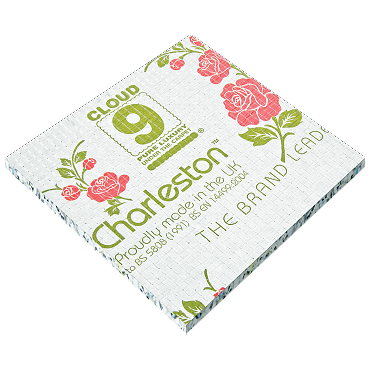
Underlay is an important part of any DIY project when revamping your home with new flooring. Underlay acts as an essential padding layer designed to elevate the comfort and style of your flooring, whether laminate or carpet. It helps to enhance the durability, support and noise reduction of your flooring, allowing you to upgrade your living space and enjoy the luxury of cloud-like flooring underfoot. At Pay Trade Flooring, we offer various underlay types in different thicknesses. Shop from leading brands such as Cloud 9 and Tredaire today.







What is underlay?
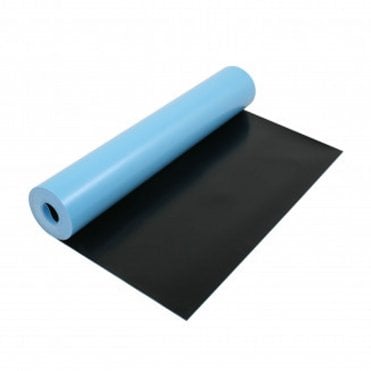
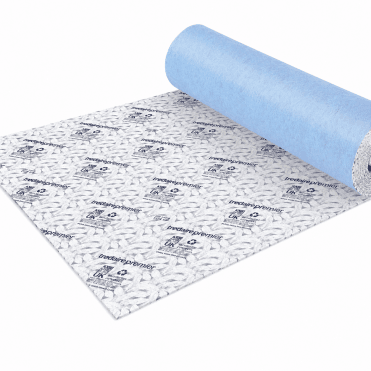
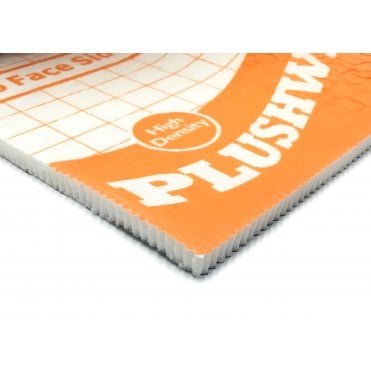
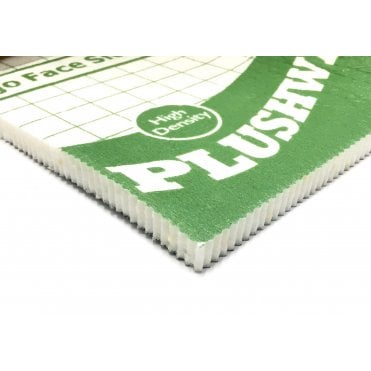
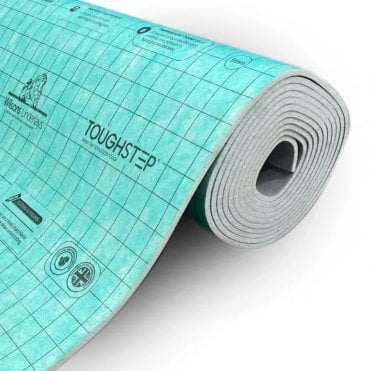
Underlay is a crucial sheet of material installed under carpets and laminate flooring. Underlay can protect your flooring by reducing impact damage, which often leads to early wear and tear. Underlay also provides a cushion, offering a luxurious feel underfoot and helping insulate the room by retaining heat. What’s more, it helps to keep your flooring level and stable, covering any bumps and grooves that may be in the subfloor,
Does it matter what underlay you use?
Choosing the right underlay for your floor can impact how it feels underfoot. What underlay you buy depends on what flooring type you have and the desired comfort, stability and noise reduction levels. Here are some key differences between carpet underlay and laminate flooring underlay.
Carpet underlay
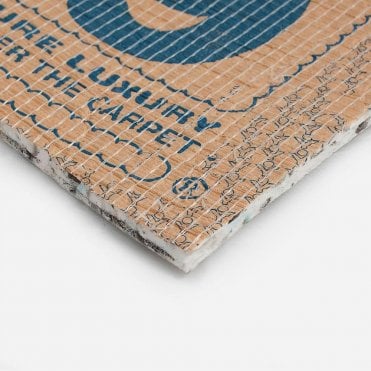
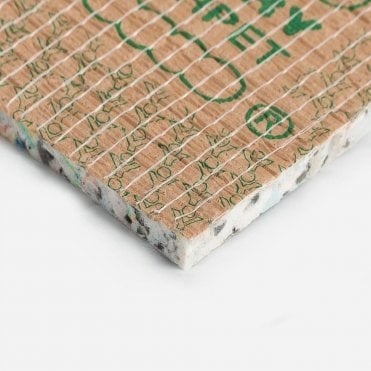
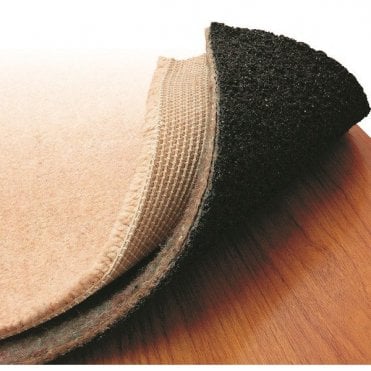
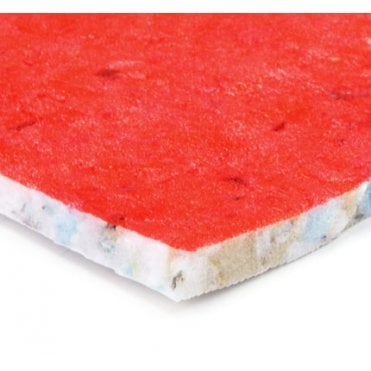
To provide a soft, cushioned surface, carpet underlay is typically made from foam, rubber or felt.
Carpet underlay enhances comfort, insulation and noise reduction by creating a plush feel underfoot and minimising sound transmission.
Usually made slightly thicker to help act as a supportive layer.
Laminate flooring underlay
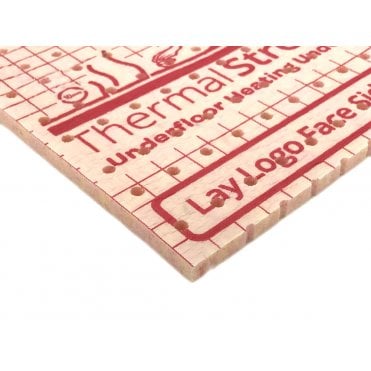
Laminate flooring underlay is commonly constructed from foam, cork or rubber to act as a stable foundation.
Laminate flooring underlay is primarily designed to address subfloor issues and irregularities and prevent the laminate from rubbing against the subfloor.
Usually made slightly thinner as laminate flooring requires a more stable surface.
How often should you change your underlay?
Buying new underlay every time you install new flooring is good practice. You’ll know if it is time to buy new underlay when your existing underlay looks aged and worn or you can see visible damage. The underlay will no longer offer the right support when it loses shape. If you can feel lumps and bumps or the hard floor underneath, it may be time to buy some new underlay.